Zero-Waste Tip: Why You Should Zest All Your Lemons Before Juicing Them
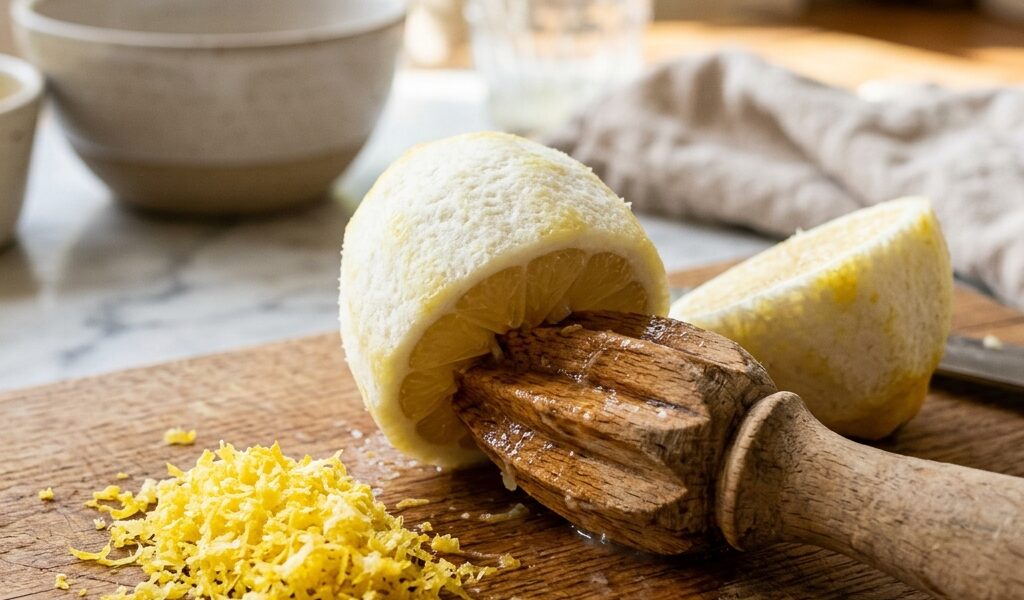
In the organization of a domestic or professional kitchen, the lemon is one of the most frequently used ingredients for its refreshing acidity. However, the most common practice is to cut the citrus in half and juice it immediately, throwing the remaining peel into the trash or compost. This consumption habit represents a silent but considerable economic and ecological waste. Indeed, the outer peel of the lemon, called the flavedo, contains a concentration of essential oils and phenolic antioxidant compounds far superior to that present in the pulp or juice. Discarding the peel without zesting it first means depriving oneself of the most aromatically rich portion of the citrus fruit. Adopting the systematic habit of zesting every lemon before juicing it, and storing these zests using appropriate preservation methods, constitutes one of the simplest and most rewarding zero-waste kitchen tips. This article analyzes the scientific foundations of this practice and proposes concrete protocols to value 100% of your citrus fruits.
Quick Answer
You should systematically zest all your lemons before juicing them because the peel concentrates the vast majority of the fruit’s aromatic and therapeutic richness, which would otherwise be lost. While the juice primarily provides acidity (citric acid), the zest contains precious essential oils (rich in d-limonene) and powerful antioxidants. By getting into the habit of zesting your lemons (after washing them thoroughly, even if organic), you can build up a premium, cost-free aromatic reserve. This harvested zest keeps perfectly in the freezer in a small airtight jar for over 6 months, ready to instantly flavor cakes, sauces, dressings, or stews without requiring you to buy a new fruit.
Scientific Explanation
The justification for systematically utilizing the flavedo lies in a major chemical composition disparity between the different anatomical parts of citrus fruits (genus Citrus). The fruit is composed of three main layers: the endocarp (the pulp containing the juice sacs), the mesocarp (the white albedo), and the epicarp (the yellow flavedo). The juice, extracted from the endocarp, is an acidic aqueous solution composed mainly of water (90%), citric acid (approximately 1.4 to 1.6 mol/L, giving it a pH of 2.0), ascorbic acid (vitamin C), and soluble simple sugars. Its sensory contribution is primarily taste-oriented (acidity).
In contrast, the flavedo is the site of intense secondary metabolic synthesis. It contains oil glands formed by schizolysigenous cavities lined with secretory cells. These cells produce a volatile lipid fraction (essential oil) whose yield relative to the fresh weight of the peel ranges from 0.5% to 1.5%. This fraction is rich in hydrophobic monoterpenes (d-limonene, β-pinene) and aldehydes (citral), which possess an extremely low olfactory detection threshold, on the order of a few parts per billion (ppb). Consequently, the potential to modify the flavor of a culinary preparation is infinitely higher with the zest than with the juice.
Furthermore, the flavedo is particularly rich in lipophilic and hydrophilic flavonoids, notably glycosylated flavanones (hesperidin, eriocitrin) and polymethoxylated flavones (nobiletin, tangeretin). These molecules exhibit antioxidant, anti-inflammatory, and free-radical scavenging properties widely documented in nutritional biochemistry. In particular, hesperidin strengthens the resistance of blood capillaries. Throwing away the peel therefore means eliminating a concentrated source of protective bioactive compounds.
To preserve these volatile and antioxidant compounds after harvesting, rapid freezing kinetics at -18°C are ideal. At this temperature, the vapor pressure of monoterpenes collapses, blocking their volatilization. The enzymatic activity of polyphenol oxidases is inhibited, and the low temperature slows down the lipid auto-oxidation rate of unsaturated terpenes into limonene oxides, preserving the original aromatic profile for several months.
Hands-on Experience
To measure the concrete benefit of this tip, I kept a citrus consumption log over a six-week period. During this time, my household consumed an average of 6 lemons per week, primarily for their juice (salad dressings, fish seasonings, teas). I set up the following protocol: each lemon was washed with warm water using a soft brush (to remove dust or natural wax residues, even for certified organic lemons), then fully zested using a fine rasp grater before being juiced. The harvested zests were transferred immediately into a 100 mL glass bottle stored in the freezer at -18°C.
Here are the quantitative and qualitative observations from this experiment:
- Average Yield: Each medium-sized lemon provided approximately 4.5 grams of fresh grated zest. Over six weeks (36 lemons), I accumulated 162 grams of high-quality frozen lemon zest.
- Financial Savings: In organic grocery stores, the average price of a lemon is about €0.60. Buying the aromatic equivalent of 162 grams of zest in the form of fresh lemons (when I would have had no use for their juice) would have cost me €21.60. This stock therefore represents a net gain, recovered from what was destined to be waste.
- Usability: Zest frozen in grated form does not clump into a solid block if it is relatively dry when placed in the freezer. It remains loose and can easily be scooped out with a spoon. I tested its use in cakes, simmered tomato sauces, and chicken marinades. The flavor was identical to that of fresh zest, with an instant release of aromas as soon as it thawed in the warm dish.
The experiment demonstrated that integrating this simple 30-second step into the kitchen routine not only reduces household waste volume but also creates a genuine “aroma bank” available at any time, at zero additional cost.
Conclusion
Getting into the habit of zesting your lemons before juicing them is a perfect example of a small zero-waste habit with multiple benefits. By valuing the flavedo, you recover the part of the citrus fruit richest in essential oils and antioxidant compounds. Thanks to easy and quick freezing, this aromatic treasure remains available all year round to elevate your recipes, saving money and helping the environment.