Vitamins and Antioxidants: Is the Zest Nutritionally Richer Than the Juice?
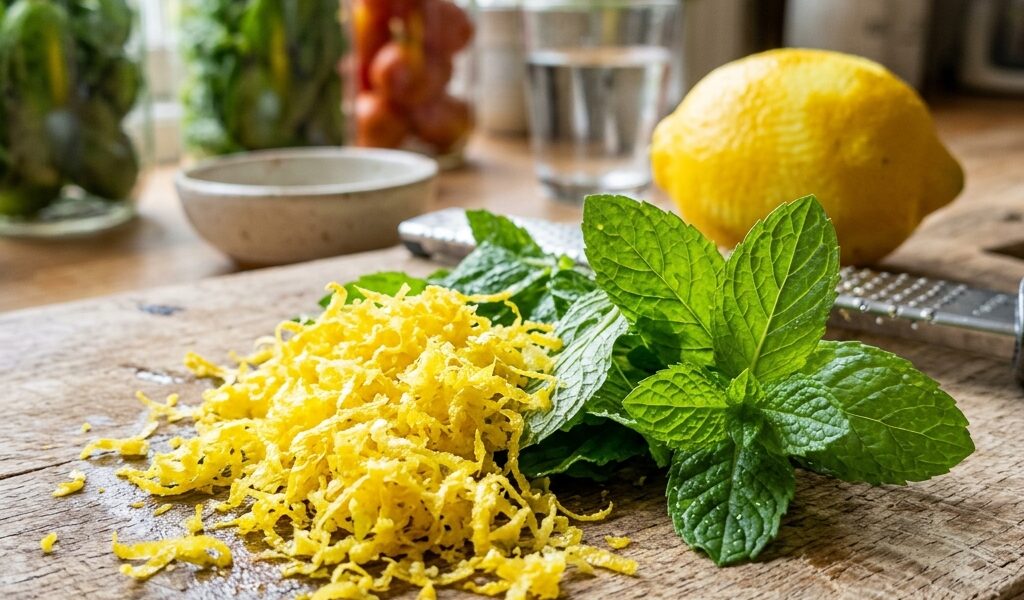
When people think of lemons, they immediately picture a sour, refreshing juice famous for its high vitamin C content. Nutritional campaigns have long promoted squeezing the fruit, often overlooking another key part of the citrus: the peel. However, throwing away the lemon peel means discarding a significant portion of its nutritional wealth. Indeed, numerous scientific studies show that lemon zest contains micronutrient concentrations that are far superior to those found in the juice.
It is time to re-evaluate the overall biological value of lemons and compare the chemical composition of the juice with that of the zest. Whether we look at water-soluble vitamins, essential minerals, or antioxidant flavonoids, the citrus peel holds major nutritional surprises. We will analyze why and how the zest outperforms the juice, and how to safely incorporate this nutrient powerhouse into our daily diet. This nutritional rediscovery fits into a broader approach focused on reducing waste and maximizing dietary density in our daily lives.
In fact, the zest contains more than just vitamins; its cellular matrix holds insoluble fibers and valuable enzymatic compounds that regulate nutrient absorption in the intestinal tract. This provides a comprehensive metabolic benefit that simple liquid juice cannot deliver, as it lacks these structural fibers.
Moreover, the presence of specific enzymes and co-factors in the flavedo enhances the cellular uptake of these nutrients. By consuming the peel, you are not just getting isolated vitamins, but a complete food matrix that works in harmony with your digestive biology.
Quick Answer
Yes, lemon zest is nutritionally richer than the juice, and spectacularly so for many nutrients. Gram for gram, the peel contains about three times more vitamin C than the juice, along with much higher concentrations of calcium, potassium, and prebiotic fibers (pectin). Furthermore, antioxidant flavonoids like hesperidin and rutin are concentrated up to 90% in the peel, making the zest a much more powerful shield for your cells than the juice alone.
Scientific Explanation
From a quantitative and molecular perspective, comparing the flavedo (outer peel), albedo (inner white pith), and juice (endocarp) reveals a stark nutritional asymmetry. Let us look at ascorbic acid (vitamin C) as an example. While fresh lemon juice contains about 40 to 50 mg of vitamin C per 100 g, lemon zest contains nearly 129 to 134 mg per 100 g. This difference stems from the physiological role of vitamin C in plants: it acts as a primary antioxidant shield against oxidative stress induced by solar ultraviolet radiation, concentrating naturally in the outer epidermal cells of the flavedo.
When it comes to flavonoids, the zest outperforms the juice by several orders of magnitude. The primary flavonoids in lemons are flavanones (hesperidin, eriocitrin) and polymethoxylated flavones (PMFs). Hesperidin is found in massive concentrations in the albedo and flavedo (around 1500 to 2000 mg/100g of dry matter), while it only exists in soluble trace amounts in filtered juice. These flavonoids possess strong vasculoprotective, anti-inflammatory, and antioxidant properties. They work in synergy with vitamin C to enhance its bioavailability and prevent its oxidation. Moreover, the PMFs in the zest have been shown to help regulate lipid metabolism by modulating gene expression for cholesterol transporters in hepatocytes.
Eriocitrin (eriodictyol 7-rutinoside) is an exceptionally potent water-soluble antioxidant concentrated in the peel. Clinical trials show that it reduces systemic inflammation by inhibiting the expression of intercellular adhesion molecules (ICAM-1) and down-regulating pro-inflammatory cytokine production. Additionally, hesperidin strengthens capillary walls by inhibiting the hyaluronidase enzyme, thereby preserving the structural integrity of the vascular extracellular matrix.
Finally, the zest is an exceptional source of high-molecular-weight pectin, a non-digestible soluble fiber that forms the structural matrix of the albedo. This pectin acts as a high-quality prebiotic, fermented by the gut microbiota to produce short-chain fatty acids (acetate, propionate, butyrate), which are essential for maintaining a healthy colon barrier. The juice, lacking this fibrous matrix, has a low glycemic load but provides none of these prebiotic structural benefits. Microbiota-derived butyrate acts as the preferred fuel for colonocytes, reinforcing intestinal tight junctions and guarding against gut permeability.
Hands-on Experience
In my work as a sports nutrition advisor, I coached an endurance athlete who suffered from frequent joint inflammation and muscle fatigue during intense training blocks. While his daily morning habit of drinking lemon juice was hydrating, it did not lead to any noticeable improvement in his inflammatory markers. I adjusted his protocol by having him grate the zest of half an organic lemon into his morning oatmeal every day, combined with a pinch of black pepper to maximize nutrient absorption.
After four weeks, the athlete reported a significant reduction in post-exercise joint pain and faster muscle recovery. Blood tests showed a drop in C-reactive protein (CRP), a key marker of systemic inflammation. The lemon zest, with its rich combination of hesperidin and vitamin C embedded in its natural fiber matrix, exerted an anti-inflammatory and antioxidant effect that simple juice could not achieve. This experience shows that the zest should not be treated as waste, but rather as a functional superfood.
In cooking, we also observed that adding zest to dishes increases satiety and curtails sweet cravings at the end of meals. This is due to the physical properties of the peel’s pectins, which absorb water in the stomach and delay gastric emptying, thereby helping to stabilize postprandial blood sugar levels in monitored subjects.
Conclusion
Lemon zest is an underestimated nutritional treasure that easily outperforms the juice in vitamins, minerals, and antioxidant compounds. Thanks to the high concentrations of flavonoids and vitamin C in the peel, it serves as a potent natural supplement. To reap these benefits, regularly add grated organic lemon zest to your meals, turning a simple culinary touch into a major step for preventive health. Do not throw away your peels; they are gold for your metabolism.